Walk onto any dealer lot and you’ll feel the pull of that new home smell, the spotless carpet, the appliances nobody has ever cooked on. Then you check the price tag and the daydream gets complicated. A used home down the road might cost half as much and still have plenty of life left in it. So which way should you go?
The honest answer is, it depends on your budget, how long you plan to stay, and how much repair work you’re willing to take on. Let’s break down what you actually get with each, including the real costs most folks don’t think about until after they sign.
What new and used mobile homes really cost
Here’s where the gap shows up fast. As of 2026, a new 3 bedroom, 2 bath doublewide from a big manufacturer runs roughly $90,000 to $140,000 before you pay for delivery, setup, and site prep. Add those in and the number climbs higher. Across all sizes, new homes average around $124,300.
A comparable used doublewide thats five to ten years old? Usually $45,000 to $85,000 depending on shape and location. The used market overall stretches from about $20,000 for an older single wide up to $100,000 or more for something newer and nicely kept. Buying used can save you $30,000 to $60,000 right out of the gate. For a lot of buyers, that difference is the whole decision. If you want a deeper breakdown of pricing, we covered it in our 2026 mobile home cost guide.
The depreciation thing nobody warns you about
New manufactured homes lose value fast in the early years. A home you buy new for $100,000 might be worth $75,000 to $80,000 just five years later, even if you took good care of it. That’s a 20 to 25 percent drop, similar to driving a new car off the lot.
Buy used and somebody else already ate that depreciation for you. Older homes that are five to ten years in tend to hold their value much better because the steep drop already happened. And here’s the part worth remembering: a manufactured home on land you own, set on a permanent foundation, can actually go up in value over time. The land does the heavy lifting there. We get into why that matters in our piece on personal property vs real property titles.
Financing is easier on a new home
This one surprises people. You’d think the cheaper home would be easier to pay for, but lenders see it differently. New manufactured homes often qualify for conventional mortgages and government backed loans like FHA and VA, with better rates and lower down payments. The HUD manufactured housing program is worth a look if you’re going that route.
Used homes can be a tougher sell to a bank. Expect a down payment of 10 to 20 percent, and know that plenty of lenders won’t finance a home older than 20 or 25 years at all. The ones that do may want a full inspection first and charge you a higher interest rate. So that big upfront savings can shrink a little once you factor in the loan. Not always, but often enough that you should run the math before you fall in love with a listing.
Warranties, repairs, and the cost of getting older
Most new homes come with a limited warranty covering defects or structural problems in the first year. Used homes almost never come with one, which means anything that breaks is on you from day one.
The maintenance numbers tell a similar story. New homes usually run $500 to $1,000 a year in upkeep. Used homes often need $1,000 to $2,500 or more, because parts wear out and older systems start asking for attention. None of this makes used a bad deal. It just means you should pad your budget and not assume the lower sticker price is the end of your spending.
New lets you pick everything. Used means you take what’s there.
Buy new and you get to choose the floor plan, the cabinets, the flooring, the layout that fits how you actually live. That flexibility is genuinely nice if you have specific tastes or needs.
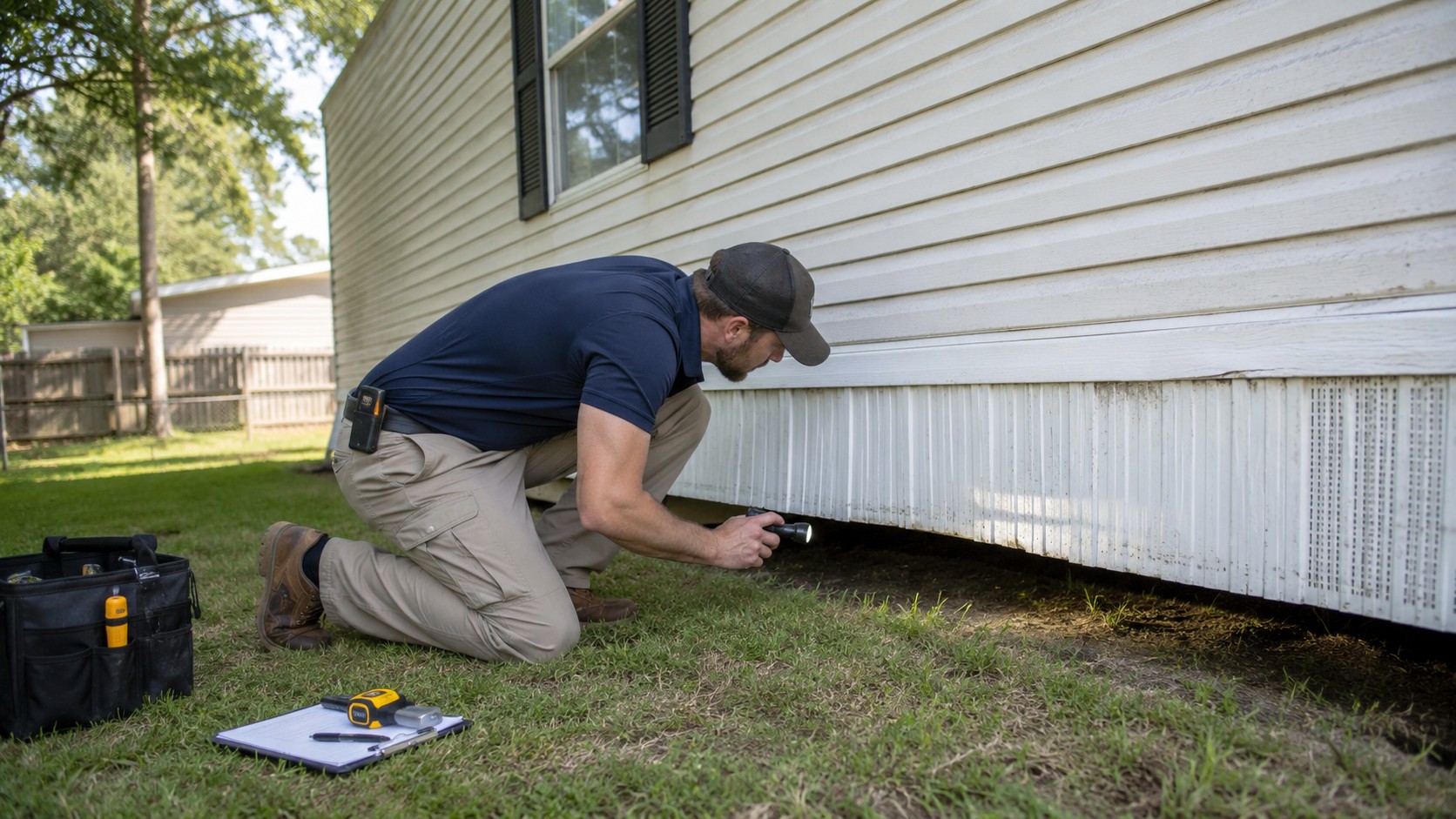
With a used home you accept what the last owner picked, or you spend money changing it. Sometimes that’s fine. Older homes can have solid bones and a little character you won’t find in a brand new unit. Other times you walk in and immediately start tallying up renovation costs in your head. If you go used, get it inspected properly, no shortcuts. Check the insulation and vapor barrier under the home, look for gaps around doors and windows that let in drafts and bugs, and ask the seller for any records of repairs or upgrades. Our single wide vs double wide guide can help you narrow down the size first.
So, new or used?
If you’ve got the budget, want financing to be smooth, and care about customizing your space, new makes a strong case. If you’re trying to stretch every dollar and you don’t mind a little elbow grease, a well inspected used home can be one of the smartest buys out there. I lean toward used for first time buyers on a tight budget, but only after a real inspection. Plenty of people regret skipping that step.
Want the full playbook?
Uncle Zally covers new vs used and a whole lot more in his book. It’s $19.95 and comes with three bonus guides that walk you through financing, inspections, and avoiding the traps that catch first time buyers. Check it out here and save yourself some expensive mistakes.